


Understanding Vehicle Collision Repair Estimates and Collision Damage Cost Assessment

When your vehicle gets damaged in a collision, the first thing you want to know is: how much will it cost to fix? Getting a clear, accurate repair estimate can feel overwhelming. But it doesn’t have to be. I’m here to walk you through the process of understanding a collision damage cost assessment. This way, you’ll feel confident and informed when it’s time to get your car back on the road.
What Is a Collision Damage Cost Assessment?
A collision damage cost assessment is a detailed evaluation of the damage your vehicle sustained in an accident. It’s the foundation for creating a repair plan and estimating the total cost. This assessment looks at every dent, scratch, broken part, and mechanical issue caused by the collision.
The goal is to identify what needs fixing, replacing, or adjusting. It also helps insurance companies decide how much they will cover. A thorough assessment ensures you don’t get surprised by hidden damages or unexpected expenses later.
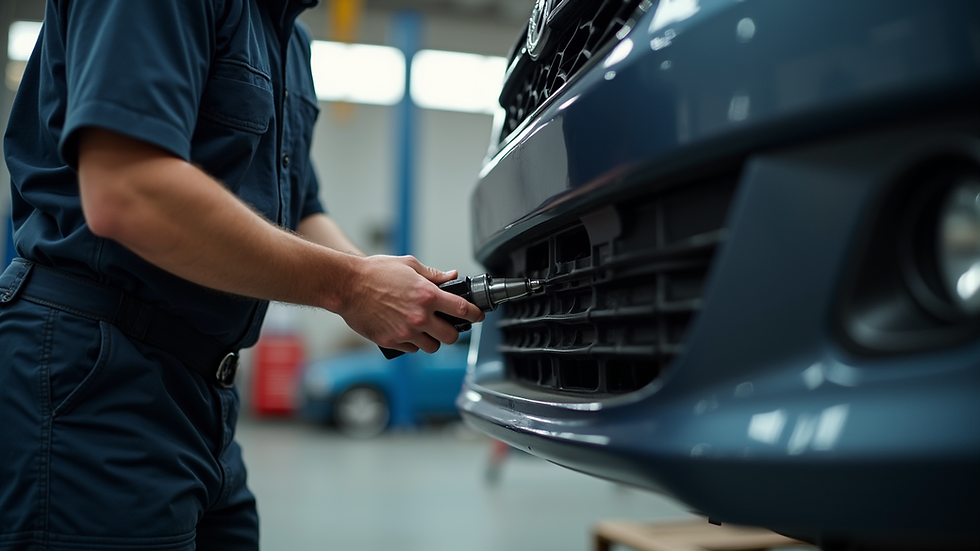
When you bring your car to a trusted auto body shop, the technicians will inspect it carefully. They’ll check the exterior, under the hood, and sometimes even the frame. This is because some damage isn’t obvious at first glance but can affect your vehicle’s safety and performance.

How to Read and Understand Your Repair Estimate
Once the assessment is complete, you’ll receive a repair estimate. This document breaks down the costs involved in fixing your vehicle. Here’s how to make sense of it:
Parts: This section lists all the parts that need to be replaced or repaired. It includes prices for new or used parts, depending on what the shop recommends.
Labor: Repairing a vehicle takes time. Labor costs cover the hours technicians spend fixing your car. These rates vary by location and shop.
Paint and Materials: If your car needs repainting, this cost covers paint, primer, and other materials.
Additional Fees: Sometimes, there are extra charges for things like disposal of old parts or shop supplies.
Look for clear explanations in the estimate. If anything is confusing, don’t hesitate to ask the shop for clarification. A good shop will be happy to walk you through the details.
It’s also smart to compare estimates from a couple of shops. This helps you understand the market rate and ensures you’re getting a fair price.
How much does it cost to fix a collision?
The cost to fix collision damage varies widely. It depends on factors like the severity of the damage, the make and model of your vehicle, and the quality of parts used. Here’s a rough idea of what you might expect:
Minor dents and scratches: $150 to $600
Moderate damage (bumper, fender, lights): $600 to $2,000
Severe damage (frame, engine components): $2,000 to $10,000 or more
Keep in mind, these are ballpark figures. Your actual cost could be higher or lower. For example, luxury or imported cars often have more expensive parts and labor.
Insurance coverage also plays a big role. If you have collision coverage, your insurer will pay most of the repair cost after your deductible. Without insurance, you’ll be responsible for the full amount.
Tips for Getting the Best Repair Estimate
Getting a fair and accurate estimate is key to a smooth repair process. Here are some tips to help you:
Choose a reputable shop: Look for shops with good reviews and certifications. Experienced technicians provide better assessments.
Get multiple estimates: Don’t settle for the first number you get. Comparing estimates helps you spot outliers.
Ask about parts options: Some shops offer new, used, or aftermarket parts. Each has pros and cons for cost and quality.
Check for hidden damage: Ask if the shop will inspect for frame or mechanical damage that might not be obvious.
Understand your insurance policy: Know your deductible and coverage limits before agreeing to repairs.
Request a written estimate: This protects you from unexpected price increases later.
By following these steps, you’ll avoid surprises and get your vehicle repaired right the first time.
Why Accurate Estimates Matter for Your Vehicle’s Safety and Value
An accurate collision damage cost assessment isn’t just about money. It’s about safety and preserving your vehicle’s value. Poor repairs or missed damage can lead to problems down the road, like:
Reduced crash protection
Poor vehicle handling
Premature wear on parts
Lower resale value
When you trust a skilled shop to provide a detailed estimate and quality repairs, you’re investing in your safety and peace of mind. It also helps maintain your vehicle’s worth if you decide to sell or trade it later.
If you’re in Ocala and need collision or body repairs, choosing a shop that prioritizes thorough assessments and clear communication makes all the difference.
Making the Repair Process Easy and Stress-Free
Dealing with collision repairs can be stressful. But it doesn’t have to be. Here’s how to make the process easier:
Keep all documents organized: Save your estimate, insurance papers, and repair receipts.
Stay in touch with your repair shop: Ask for updates and timelines.
Understand your insurance claim: Know what’s covered and what you owe.
Ask about rental cars: Some shops or insurers provide rental vehicles while your car is in the shop.
Inspect your vehicle after repairs: Make sure everything looks and works as expected before you drive away.
Remember, a good repair shop will guide you through every step. They want you to feel confident and satisfied with the work done.
If you want to learn more about how to get a reliable vehicle collision repair estimate, don’t hesitate to reach out to your local experts.
Understanding your vehicle’s collision damage cost assessment is the first step toward getting your car back to its best condition. With clear information and the right support, you can navigate repairs with confidence. Your vehicle deserves quality care, and you deserve peace of mind.


Comments